

A Railroad Lawsuit For Chronic Lymphocytic Leukemia
Rail workers who contract certain diseases, like leukemia, often bring a lawsuit against their employer. This is because the Federal Employers Liability Act allows workers to pursue compensation for their disease.
A benzene exposure case cannot reverse the harm caused by dangerous cancer or save a loved one, but it can help offset medical costs related to treatment.
Benzene
Benzene, a non-colorless liquid that is flammable, can pose a danger to human skin when it comes in contact with. It is also a carcinogen that has been linked to specific types of cancers, including leukemia.
Scleroderma lawsuit have shown that people exposed to low levels of benzene at work are at risk of a 40 percentage increased risk of developing leukemia. The risk is higher for those who have been exposed to benzene over long time. Oil refinery workers, mechanics, printers and gas pumpers are at risk from exposure.
OSHA restricts exposure to benzene while working however, some railroad companies do not adhere to the guidelines. Railroad workers can be affected by severe illnesses, like leukemia. A FELA attorney could help these workers seek compensation for their losses under the law.
Leukemia is a serious disease that can lead to a number of complications for the sufferer with bone marrow problems and blood-related organ damage. A railroad worker's FELA attorney can help the victim obtain compensation which include medical expenses, lost wages and emotional trauma. During the process of litigation, the victim may need be deposed in order to answer questions from opposing attorneys under an oath. In some cases a jury trial might be required.
Creosote
Railroad workers could be exposed to creosote if they clean rail tieways, paints trains or handles other materials that are used for maintenance of the right-of-way. This chemical has been linked to skin cancer as well as other health issues. Some workers have complained of headaches, stomach pain and breathing problems. Creosote does not dissolve in water and could be passed on to family members through clothing or shoes.
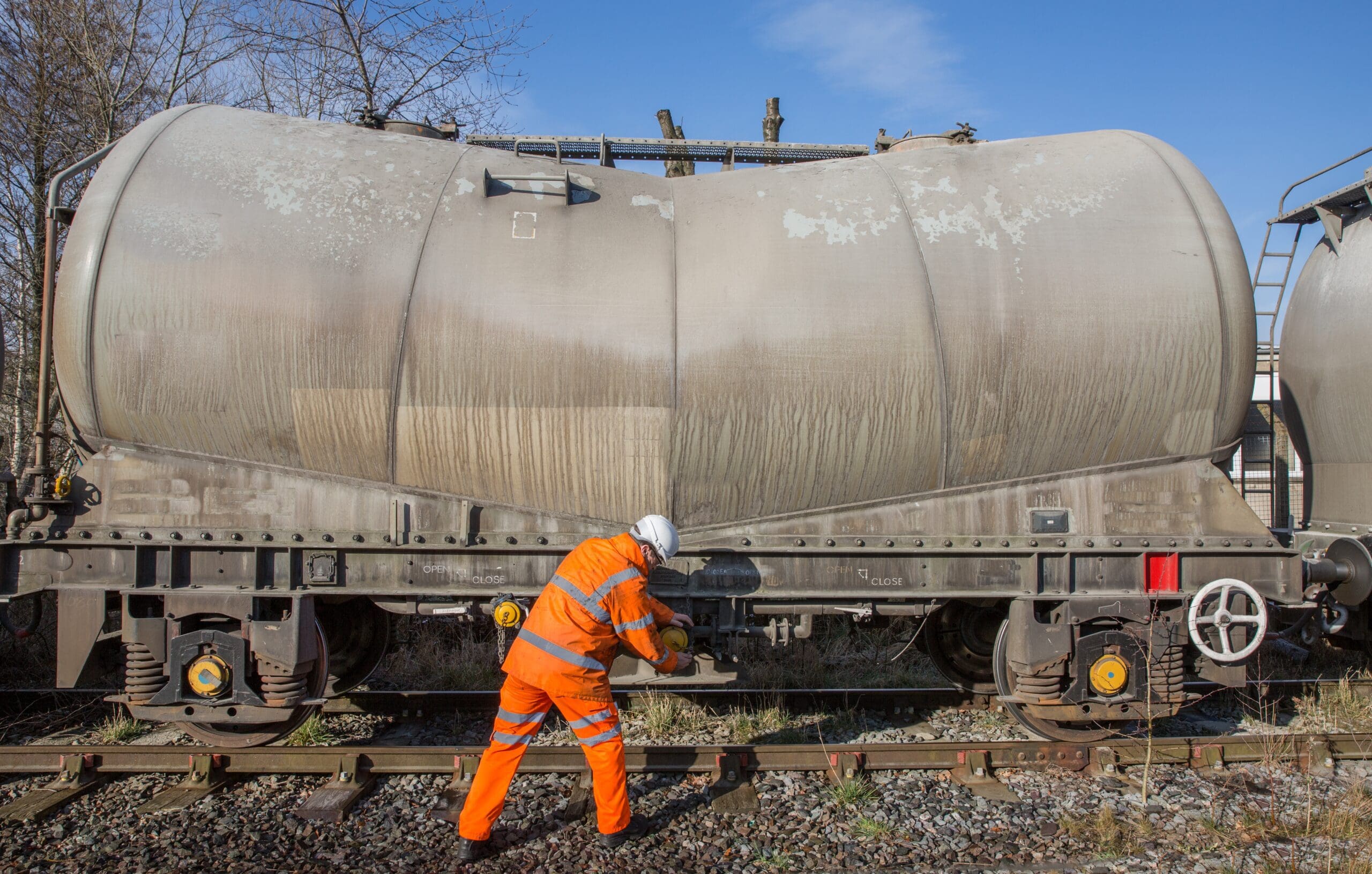
Other toxic chemicals that are found on trains include benzene, carcinogen as well asbestos and other cancer-causing substances. A plaintiff could be able to seek damages under the Federal Employers Liability Act (FELA) if it is proven that he/she was injured because of exposure to these substances while working for trains.
A seasoned FELA lawyer could help to prove that the employee's injuries were caused by exposure to hazardous chemicals on the job. This may involve hiring expert witnesses to testify regarding the severity of the injuries, the effect on the victim's health and ability to work and whether the defendant did not protect its workers.
If a railroad worker is diagnosed with a serious illness that is linked to their job it is recommended that they consult an attorney immediately. Parker Waichman LLP's legal team has decades of experience representing clients in these cases. Call to schedule a free consultation today.
Asbestos
Railroad workers were often exposed to asbestos poisoning while on the job. Asbestos is a carcinogen that can cause lung cancer, mesothelioma and other illnesses. Asbestos particles can build up in the lungs and cause respiratory problems years or decades later. Asbestos exposure can also increase the likelihood of certain kinds of cancer.
Another chemical, Benzene, can lead to blood cancers among railroad workers. Benzene was used extensively by railroad workers to clean parts and equipment. Interstitial lung disease lawsuit dipped rags in benzene cleaners to clean equipment and engines. It is also found in diesel fuel and is a by-product of diesel exhaust.
Many people who are affected by blood cancer, or any other disease, due to working for a railroad should contact a railroad attorney. A FELA lawyer who is qualified will assist clients in obtaining the proper compensation they deserve.
FELA is a federal law which allows railroad employees who have been injured to file a claim for injuries. An experienced railroad leukemia lawyer will assist clients in determining whether they are eligible for compensation under this process. For instance an employee of a railroad who was exposed to chemicals such as benzene, creosote and asbestos may be eligible for compensation. However, he or she must be diagnosed with the disease within three years of exposure to these harmful substances in order to file an FELA claim.
Lung Cancer
Railyard workers are exposed to carcinogenic substances which can cause blood disorders, cancer and lung diseases. Interstitial lung disease lawsuit or a loved one may be eligible for financial compensation if your loved one has been diagnosed with leukemia or another serious illness due to exposure to chemicals at work. This is covered under the Federal Employers Liability Act.
A lawsuit filed by a railroad worker could help you receive the compensation you need to pay your medical bills and other expenses. These lawsuits can help you hold your employers accountable for their omissions when it comes to protecting employees from these dangerous chemicals.
The FELA provides those suffering from occupational injuries the option to seek financial compensation in court through juries. Norfolk Southern Railway lawsuit is different from workers compensation, which gives benefits to employees through an administrative process.
Railroad workers who were exposed to toxic chemicals like creosote, benzene and asbestos are at a higher likelihood of developing cancers blood disorders, and other illnesses. This includes those who came into contact with these harmful substances including locomotive engineers as well as train conductors. One former railroad worker, for example was awarded a $7.5 million verdict last September after developing Myelodysplastic Syndrome and Acute Myeloid Leukemia because of his experience working with asbestos and other carcinogenic substances.